Tirupati: A Comprehensive Guide to India’s Sacred Pilgrimage Destination

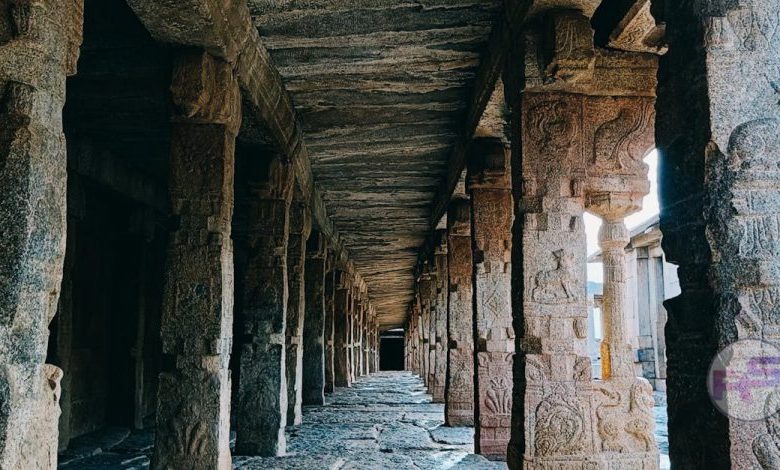
Tirupati, a vibrant city nestled in the Chittoor district of Andhra Pradesh, stands as one of India’s most significant and visited pilgrimage sites. Renowned globally for the ancient Sri Venkateswara Swamy Temple located on the sacred Tirumala Hills, it draws millions of devotees annually from across the world. This spiritual hub offers a profound and enriching experience for those seeking devotion, cultural insight, and a deeper connection with ancient traditions. The very essence of this destination resonates with spiritual energy, making it a pivotal place for many.
The allure primarily emanates from the Sri Venkateswara Swamy Temple, often referred to simply as the Tirumala Temple. This architectural marvel is dedicated to Lord Venkateswara, a revered incarnation of Vishnu, who is also known as Balaji, Srinivasa, or Govinda. The temple’s majestic gopurams, intricate carvings, and the palpable sense of devotion that permeates its grounds make it a truly unique place of worship. Pilgrims undertake various journeys, some even climbing the hills on foot, to offer prayers and seek blessings from the presiding deity.
A Deep Dive into History and Mythology
The history of this celebrated pilgrimage site and its famed temple is deeply intertwined with ancient legends and Puranic literature, spanning several centuries. According to available information and historical records, the temple has received patronage from numerous South Indian dynasties, including the Pallavas, Cholas, Pandyas, and Vijayanagara emperors. Each dynasty contributed to the temple’s grandeur and wealth, cementing its status as a premier religious institution in the region.
The mythology surrounding Lord Venkateswara adds another layer of mystique to the area. Legends speak of the Lord descending to earth to reside on the Tirumala Hills, a place chosen for its sanctity. Stories of his divine marriage to Padmavathi Devi and the reasons behind his self-manifestation as the Kaliyuga Varada (the giver of boons in Kaliyuga) are central to the beliefs of devotees visiting this sacred land. These narratives reinforce the profound spiritual significance of the temple and its location.
Experiencing Darshan at Tirumala
Experiencing darshan, the viewing of the deity, at the Sri Venkateswara Swamy Temple is a central aspect of any visit. Due to the immense crowds, particularly during festivals and auspicious days, careful planning is essential. The Tirumala Tirupati Devasthanams (TTD), the administrative body, has implemented various systems to manage the flow of pilgrims. These include free darshan queues, special entry darshan tickets, and arjitha seva (paid service) tickets.
Pilgrims often spend hours, or even a full day, awaiting their turn to glimpse the divine idol. The anticipation and devotion during the wait are considered part of the spiritual journey itself. Facilities such as free meals (annaprasadam), medical aid, and resting areas are provided by the TTD to ensure comfort for devotees. The organized yet incredibly moving experience of darshan is a hallmark of the pilgrimage to this holy city.
Beyond the Main Shrine: Exploring Other Attractions
While the Sri Venkateswara Temple remains the undeniable focal point, Tirupati and its surrounding areas offer a wealth of other significant sites worth exploring. These locations contribute to the holistic cultural and spiritual experience of visiting the region.


Sri Govindaraja Swamy Temple
Located prominently in the lower town, this temple is dedicated to Lord Govindaraja, the elder brother of Lord Venkateswara. It features impressive gopurams that are visible from afar, and its intricate sculptures depict various mythological scenes. The temple complex is vibrant and offers a serene atmosphere for prayer, often serving as the first stop for pilgrims before ascending to Tirumala or a place of worship after descending from the hills.
Kapila Theertham
Situated at the foot of the Tirumala Hills, Kapila Theertham is a sacred waterfall and temple dedicated to Lord Shiva. It is believed that taking a holy dip in its pristine waters cleanses sins and grants spiritual merit. The serene natural setting, coupled with the religious significance, makes it a popular spot for devotees and tourists alike seeking peace and tranquility near the main pilgrimage city.
Sri Kodandaramaswamy Temple
Another significant temple within the city, the Sri Kodandaramaswamy Temple is dedicated to Lord Rama, Sita, and Lakshmana. This ancient temple holds historical importance and is known for its beautiful architecture. It offers a different devotional experience within the spiritual landscape of the area, celebrating another beloved deity of the Hindu pantheon.
Chandragiri Fort
For those interested in history and panoramic views, Chandragiri Fort is a must-visit. Located a short distance away, this historical fort stands as a testament to the region’s past glory. It offers stunning vistas of the surrounding landscape and provides insights into the strategic importance of the area through various dynasties. Exploring its ruins allows visitors to step back in time, adding a historical dimension to their trip.
Talakona Waterfalls
Nature lovers should consider a trip to Talakona Waterfalls, the highest waterfall in Andhra Pradesh. Located within a dense forest, it is a biodiversity hotspot and a popular picnic spot. The refreshing cascade of water and the lush greenery provide a welcome respite from the bustling temple environment, offering a chance to connect with nature’s beauty not far from the city.
Planning Your Pilgrimage
A well-planned trip enhances the spiritual and cultural experience of visiting this renowned destination. Consideration of travel time, accommodation, and local transport can make your visit seamless and memorable.
Best Time to Visit
The most pleasant time to visit is during the cooler months, specifically from September to February. During this period, the weather is mild and comfortable, making it ideal for exploring the temples and other attractions. The summer months, from March to June, can be intensely hot, while the monsoon season (July-August) brings heavy rainfall, which might disrupt travel plans to the area.
Accommodation Options
The city offers a wide range of accommodation options to suit every budget and preference. From economical guest houses to luxurious hotels, visitors can find suitable lodging. The Tirumala Tirupati Devasthanams (TTD) also provides numerous pilgrim guesthouses and cottages on Tirumala Hills and in the town, which are highly sought after for their convenience and affordability. Booking well in advance, especially during peak seasons, is strongly recommended for any stay here.
Transportation and Connectivity
Tirupati is exceptionally well-connected by all major modes of transport. The nearest airport is Renigunta Airport (Tirupati Airport – IATA: TIR), which offers flights to major Indian cities. The Tirupati railway station is a significant rail hub, with trains connecting to various parts of the country. By road, the city is accessible via national and state highways, with extensive bus services from neighboring cities and states. Regular bus services and shared taxis are readily available to transport pilgrims from the town to the Tirumala Hills, making the journey convenient.
Local Culture and Culinary Delights
The culture of the region is deeply rooted in its spiritual traditions, influencing every aspect of daily life. The city’s atmosphere is one of devotion, with temples, chants, and religious rituals forming an integral part of the local milieu. Festivals like Brahmotsavam, celebrated with immense fervor, showcase the rich cultural heritage through elaborate processions and ceremonies.
The local cuisine primarily features delicious South Indian vegetarian dishes. Staples like dosa, idli, vada, and various rice preparations are widely available. A culinary highlight for any visitor is undoubtedly the Prasadams from the Sri Venkateswara Swamy Temple, especially the world-famous Tirupati Laddoo. This sweet delicacy is not just a treat but a sacred offering, symbolizing the blessings of Lord Venkateswara. Partaking in the annaprasadam (free meals) offered by the TTD is also a unique and humbling experience for those visiting.
Conclusion: The Enduring Appeal of Tirupati
Tirupati remains a beacon of faith, devotion, and cultural richness, drawing individuals from all walks of life and all corners of the globe. Its unique blend of spiritual reverence, architectural grandeur, and profound cultural heritage offers an enriching and unforgettable experience. A visit to this holy city is not merely a trip to a temple town; it is a profound journey into the heart of Indian spirituality, leaving an indelible mark on every pilgrim. The sanctity, historical depth, and vibrant traditions ensure its place as a timeless and essential pilgrimage destination for generations to come. The spiritual energy felt throughout the area is truly unique and inspiring.
Tags : Tirupati travel, spiritual journey, Venkateswara temple, pilgrimage guide, Andhra Pradesh tourism, sacred sites, India travel, temple city