Aurora Borealis Tonight: A Guide to Catching the Northern Lights

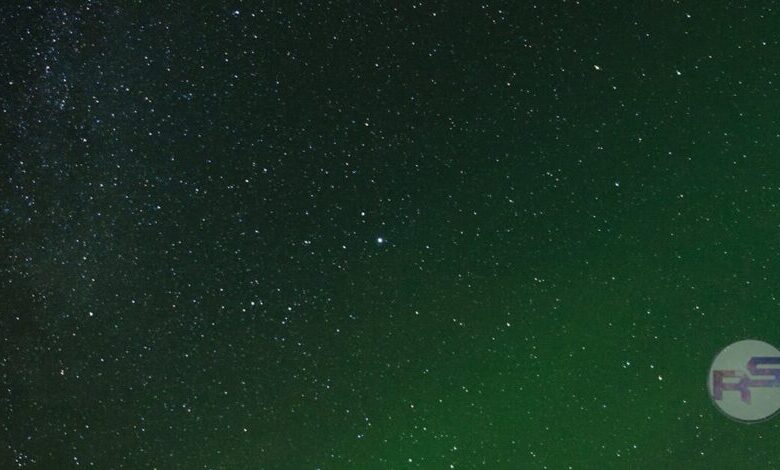
For many, the sight of the Aurora Borealis, commonly known as the Northern Lights, represents a bucket-list celestial event. Its ethereal glow dancing across the night sky is a breathtaking spectacle, prompting hopeful sky-gazers worldwide to wonder: will the aurora borealis be visible tonight?
Understanding the science behind this natural light show and knowing how to interpret current space weather conditions are key to increasing your chances of witnessing it. While a precise, long-range forecast for a specific date like tonight, February 4, 2026, requires up-to-the-minute data from space weather agencies, this guide will equip you with the knowledge needed to track and potentially view the Northern Lights whenever conditions are favorable.
What Causes the Aurora Borealis?
The Aurora Borealis is a result of complex interactions between our sun and Earth’s magnetic field. According to available information, solar flares and coronal mass ejections (CMEs) from the sun release streams of charged particles into space. When these particles reach Earth, they collide with our planet’s magnetosphere, creating a geomagnetic storm.
As these energetic particles are funneled towards the magnetic poles, they interact with gases in Earth’s upper atmosphere. This interaction excites oxygen and nitrogen atoms, causing them to emit light. The color of the auroramost commonly green, but sometimes red, pink, or purpledepends on the type of gas involved and the altitude at which the collisions occur.
Forecasting the Northern Lights: The Kp Index
One of the primary tools for forecasting aurora visibility is the Kp index. This global geomagnetic activity index ranges from 0 to 9, indicating the severity of a geomagnetic storm. A higher Kp index generally suggests a greater likelihood of the aurora being visible further south from the poles.
For instance, a Kp index of 3 or 4 might allow for aurora borealis tonight in parts of Canada and the northernmost U.S. states. A Kp of 5 or higher (considered a G1 or stronger geomagnetic storm) significantly increases the chances of seeing the Northern Lights from more southern latitudes, potentially extending to states like Wisconsin, Michigan, and even Oregon or New York during very strong events. Checking real-time Kp index forecasts from space weather centers is crucial for any aurora borealis tonight prediction.
Where to Look for the Aurora Borealis Tonight
Geographic location is paramount for aurora viewing. The Northern Lights are most frequently observed within the “auroral oval,” a region roughly centered around Earth’s magnetic pole. For those hoping to catch the aurora borealis tonight in North America, prime locations typically include Alaska, Canada, and the northern parts of the contiguous United States.


Even if a strong geomagnetic storm is underway, light pollution can severely hinder visibility. To maximize your chances, seek out locations far from city lights, with an unobstructed view of the northern horizon. National parks or remote rural areas are often ideal for dark sky viewing conditions for the aurora borealis tonight.
Optimal Viewing Tips for the Northern Lights
Once you’ve checked the forecasts and found a suitable dark sky location, a few practical tips can enhance your viewing experience. Firstly, patience is key. The aurora can be elusive and unpredictable, appearing in bursts or fading entirely. Plan to spend several hours outdoors, ideally between 10 PM and 2 AM local time, as these are often peak viewing hours.
Dress warmly in layers, even if it doesn’t feel particularly cold, as standing still in the night air can lead to a chill. Bring a comfortable chair or blanket, and a thermos with a warm beverage. Allow your eyes at least 20-30 minutes to adjust to the darkness; avoid looking at your phone or other bright lights during this time. For photography enthusiasts, a DSLR camera with a wide-angle lens and a sturdy tripod will be essential to capture the aurora borealis tonight.
Preparing for the Aurora Borealis Tonight
To prepare for a potential aurora borealis tonight, consult reputable space weather websites for the most current Kp index forecasts and geomagnetic activity alerts. These sources provide real-time data and short-term predictions that are far more accurate than any generalized advice.
Remember that even with favorable forecasts, clear skies are essential. Check local weather reports for cloud cover, as even a thin layer of clouds can obscure the aurora. While planning for a specific date like tonight, February 4, 2026, it is important to understand that aurora forecasts are dynamic and can change rapidly based on solar activity. Your best strategy is to monitor official space weather updates regularly and be ready to act quickly if conditions become promising.
The magic of the Northern Lights lies in their unpredictable and spectacular nature. By combining scientific understanding with practical viewing strategies, you can significantly improve your chances of witnessing this unforgettable celestial dance, whether it’s the aurora borealis tonight or on another clear, dark evening.
Tags : aurora borealis, northern lights, sky gazing, space weather, geomagnetic storm, night photography, celestial event, arctic circle, viewing guide, aurora forecast