Judicial Oversight on the Use of Tear Gas in Public Demonstrations

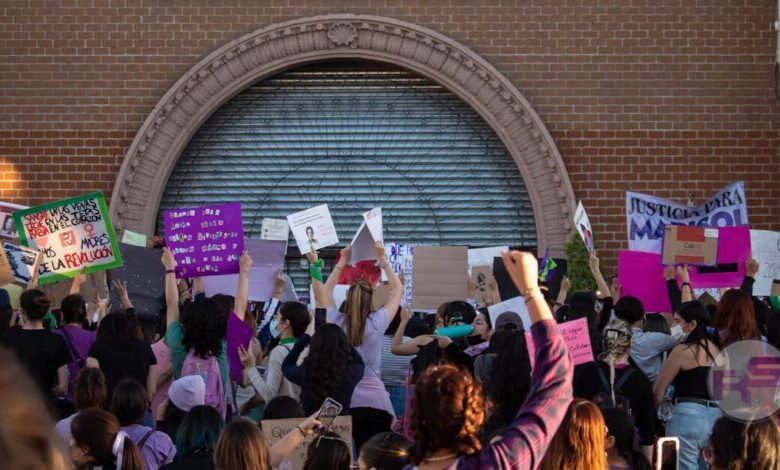
The use of chemical agents, commonly referred to as tear gas, by law enforcement during public demonstrations has become a focal point of legal and public discourse. Recent judicial rulings across various jurisdictions highlight a growing trend towards greater oversight and restriction on when and how these substances can be deployed. These decisions often stem from concerns about human rights, safety, and the constitutional right to protest peacefully.
According to available information, tear gas, or lacrimating agents, are chemical compounds that temporarily incapacitate individuals by irritating mucous membranes in the eyes, nose, mouth, and lungs. While often described as non-lethal, its deployment can lead to significant health complications, especially for individuals with pre-existing respiratory conditions or prolonged exposure. The impact of such gas extends beyond immediate discomfort, raising questions about its appropriate application in crowd control.
Understanding Judicial Restraints on Chemical Agents
In several notable instances, federal judges have intervened to limit the use of tear gas and other projectiles by government agents. These interventions typically arise from lawsuits filed by civil liberties organizations or protestors themselves, alleging excessive force or infringement of rights. The courts evaluate whether the methods used by law enforcement are proportionate to the threat posed by demonstrators and if they comply with established protocols for crowd management.
One common form of judicial intervention is the issuance of temporary restraining orders or preliminary injunctions. These legal instruments can temporarily halt or significantly restrict the ability of federal or local agents to use chemical munitions in specific contexts, such as outside federal buildings or during particular types of gatherings. The rationale often centers on preventing irreparable harm to protestors and upholding fundamental freedoms.
Impact on Law Enforcement Operations
The imposition of such restrictions profoundly affects law enforcements operational strategies during protests. Agencies are compelled to reassess their crowd control tactics, potentially opting for less aggressive methods that do not involve chemical irritants. This shift necessitates increased training in de-escalation techniques and alternative means of managing large crowds without resorting to the use of gas.
Current updates suggest that these judicial rulings serve as a precedent, encouraging other courts to consider similar limitations. Law enforcement agencies are now facing heightened scrutiny regarding their use-of-force policies, particularly concerning chemical agents. This could lead to a broader reevaluation of what constitutes acceptable force in managing public assemblies, thereby changing the landscape of protest policing across the nation.
Public Health and Safety Concerns
Beyond legal ramifications, the consistent use of tear gas in densely populated protest areas raises significant public health concerns. Exposure to the gas can cause acute respiratory distress, skin irritation, and severe eye pain. Medical experts and public health officials have voiced concerns over the long-term effects of repeated or intense exposure, advocating for its restricted use.


The indiscriminate nature of tear gas further complicates its use, as it affects not only those actively engaging in disruptive behavior but also peaceful protestors, bystanders, and even residents in the vicinity. This widespread impact often fuels public outcry and contributes to an environment of distrust between communities and law enforcement. The debate about the appropriate application of gas during civil unrest continues to evolve with scientific understanding and legal interpretation.
Balancing Rights and Public Order
The core challenge for judicial bodies lies in balancing the constitutional rights of individuals to protest and express dissent with the governments legitimate interest in maintaining public order and safety. Rulings often seek to strike this balance by allowing law enforcement to maintain order while preventing disproportionate or arbitrary actions, particularly those involving the widespread deployment of chemical gas.
As per recent updates, the ongoing legal battles underscore a societal demand for transparency and accountability from authorities. These cases push for a more nuanced approach to crowd control, where the use of force, especially potentially harmful chemical gas, is reserved for situations of clear and immediate danger, rather than as a default response to general unrest. The trajectory of these legal decisions will likely shape future policy on public demonstrations and the tools available to law enforcement.
In conclusion, the judicial system is playing an increasingly critical role in defining the boundaries for law enforcement’s use of chemical agents like tear gas during protests. These legal interventions reflect a societal push towards more humane and rights-respecting methods of crowd control. The discussions surrounding the effects of gas and the appropriateness of its deployment are far from over, highlighting an important area of ongoing legal and social development.
Tags : tear gas, protest control, chemical agents, judicial rulings, law enforcement, public safety, civil liberties, crowd management, government oversight, legal restrictions