Snow Squall Advisory: Understanding and Preparing for Rapid Winter Weather Changes

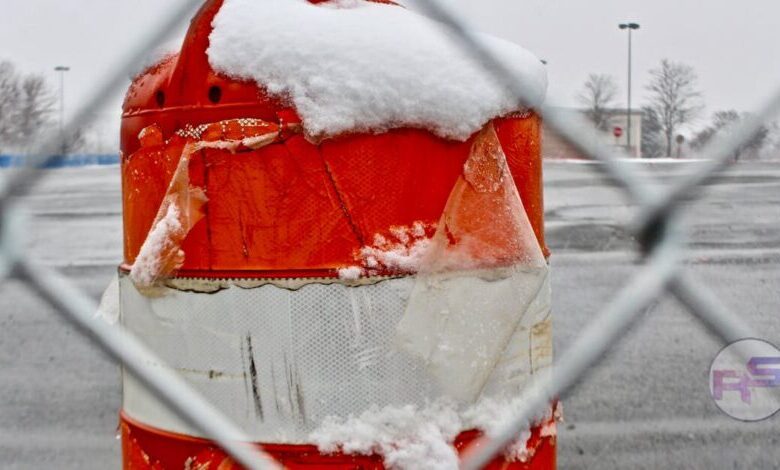
As winter progresses, regions across the Northeast and Midwest are preparing for the potential impact of snow squalls, a swift and dangerous weather phenomenon. With advisories potentially in effect, understanding the nature of a snow squall and how to react is crucial for public safety. These sudden bursts of heavy snow can drastically reduce visibility and create hazardous driving conditions in mere minutes, posing significant risks to commuters and travelers.
A snow squall, according to available information from meteorological services, is an intense, short-lived burst of heavy snowfall accompanied by strong, gusty winds. Unlike a prolonged snowstorm or blizzard, a snow squall typically lasts only a few minutes to an hour. However, its brevity does not diminish its danger; the sudden onset of whiteout conditions can be disorienting and extremely perilous, particularly on roadways.
What Exactly Is a Snow Squall?
The defining characteristics of a snow squall include its abrupt arrival and rapid disappearance. They often form along strong cold fronts, where a quick drop in temperature causes moisture in the atmosphere to condense rapidly into heavy snow. Lake-effect snow squalls are also common downwind of large unfrozen lakes, as cold air masses move over warmer lake waters, picking up moisture and then dumping it as snow.
During a snow squall, visibility can drop from clear to near zero almost instantly. This rapid change is what makes snow squalls so dangerous, often catching drivers off guard. The accompanying strong winds can create localized blizzard-like conditions, causing snow to drift and making travel even more treacherous.
The Immediate Dangers and Impact
The most significant danger associated with a snow squall is the potential for multi-vehicle accidents. When visibility rapidly decreases, drivers may not have enough time to react, leading to sudden braking, loss of control, and chain-reaction collisions. These incidents can result in serious injuries or even fatalities, underscoring the critical need for preparedness.
Beyond road safety, a snow squall can temporarily disrupt daily activities. While usually too brief to cause widespread power outages like a major winter storm, the sudden intensity can momentarily overwhelm local infrastructure. Emergency services may also face challenges responding to incidents during the peak of a snow squall due to reduced visibility and hazardous road conditions.
Safety Measures During a Snow Squall
Given the rapid onset of a snow squall, immediate action is paramount. If you are driving and encounter a snow squall, the first and most important step is to slow down significantly. According to recent updates from traffic safety organizations, increasing your following distance from other vehicles is also essential to allow for more reaction time.

Turn on your headlights, even in daylight, to make your vehicle more visible to others. If conditions become severe, it is advisable to turn on your hazard lights. Avoid sudden braking or sharp turns, as these actions can lead to skidding on slick surfaces. If possible, safely pull over to a protected location, such as a rest stop, and wait for the snow squall to pass, which it typically will in a short period.
Preparation and Staying Informed
While a snow squall is a fast-moving event, being prepared can mitigate its risks. Prior to traveling in winter weather, ensure your vehicle is in good condition, with working headlights, taillights, and wipers. Keep an emergency kit in your car, including a flashlight, blankets, extra layers of clothing, and non-perishable food items.
Staying informed about weather forecasts and advisories is key. Weather apps and local news channels provide real-time updates on snow squall warnings and other winter weather alerts. Heeding these warnings and adjusting travel plans accordingly can make a significant difference in ensuring your safety and the safety of others on the road.
The impact of a snow squall, though brief, demands respect and caution. Its ability to transform clear roads into perilous stretches in a matter of moments serves as a stark reminder of winters unpredictable nature. By understanding what a snow squall entails and adopting proactive safety measures, communities can better navigate these challenging winter weather events and minimize potential hazards.
Tags : snow squall, winter weather, weather advisory, driving safety, sudden snow, whiteout conditions, winter storm, weather alert, hazardous conditions, cold weather, weather forecast